Why Your Business Needs a Digital Infrastructure Strategy (Not Just a Website)
Most businesses think they've 'gone digital' once they have a website and a WhatsApp number. They haven't. Digital infrastructure is the set of systems that run your business, and getting it wrong costs you silently, every single day.
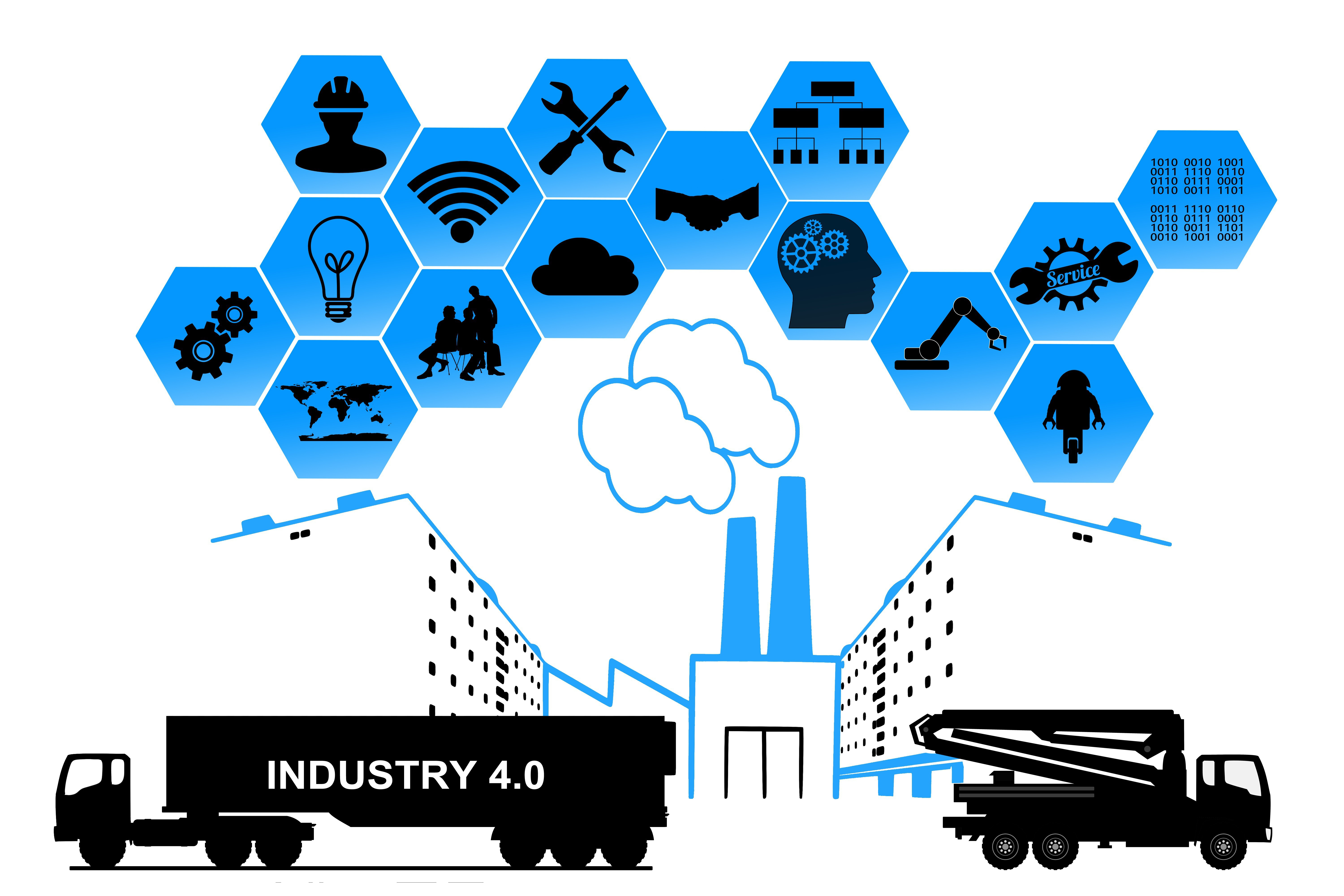
The Difference Between Digital Presence and Digital Infrastructure
Digital presence is how your business looks online: website, social media, Google listing. It's important, but it's the front-of-house. Digital infrastructure is everything behind the scenes: how you take orders, track inventory, manage staff, follow up with customers, and store business data.
Most small and medium businesses invest heavily in presence (marketing, branding, social media) and almost nothing in infrastructure. The result: they look professional but operate like a 1990s business internally.
The Hidden Costs of Bad Digital Infrastructure
These costs don't show up as a line item. They show up as:
• Hours spent manually updating spreadsheets instead of reviewing business performance
• Lost customers because follow-up was done by memory instead of a system
• Staff inefficiency because everyone is working off different versions of the same document
• No visibility into which products, clients, or services are actually profitable
• Inability to scale because the current process can't handle more volume
Every one of these is a revenue leak. And most businesses don't notice until they're already significant.
The Four Layers of Digital Infrastructure
1. Data Layer: Where Does Your Business Information Live?
If your customer data is in someone's phone contacts, your orders are in WhatsApp chats, and your financials are in a notebook, your data layer is broken. Every business needs a single source of truth: a CRM, an ERP, or at minimum a structured database that everyone touches the same way.
2. Operations Layer: How Do Things Get Done?
This covers order management, inventory, delivery tracking, HR, and project management. Good operations tooling means your business can run without you in the room. Bad operations tooling means you're the system.
3. Communication Layer: How Do You Talk to Customers and Staff?
Email marketing, SMS follow-ups, automated notifications, internal messaging; these are all infrastructure. A business that only communicates reactively (answering when called, replying when messaged) will always lag behind one that communicates proactively through automated but personal-feeling touchpoints.
4. Analytics Layer: Can You See What's Happening?
If you can't answer 'what was my best-selling product last month?' or 'which marketing channel brought in the most paying customers?' in under two minutes, your analytics layer doesn't exist. Data you can't access isn't data. It's noise.
Where to Start: A Practical Priority Order
1. Fix your data first: pick a CRM or ERP that fits your business size and migrate into it. Even a well-configured Notion or Airtable is better than scattered spreadsheets.
2. Automate your customer communication: set up email or SMS sequences for new customers, payment reminders, and reactivation campaigns.
3. Digitize your operations: replace the manual processes that cost the most time first.
4. Build your analytics: even simple dashboards showing revenue, customer count, and conversion rates change how you make decisions.
You Don't Need to Build Custom Software, Until You Do
Off-the-shelf tools (QuickBooks, HubSpot, Zoho, Odoo) cover most of what small businesses need. They're worth using as long as they fit. The moment your business has processes complex enough that generic tools require too much workaround, or you have data and IP that's core to your competitive advantage, that's when custom software earns its cost back quickly.
The mistake is building custom too early (before you know what you actually need) or building it too late (when poor infrastructure is already costing you customers and margin).
Honest benchmark: If you're spending more than 10 hours per week on tasks that software should handle, you have a digital infrastructure problem.
Favion audits and builds digital infrastructure for businesses that are ready to operate at the next level. Consult us today.
Did you enjoy this article?
Show your support by giving it a like!
Comments0
No comments yet. Be the first to share your thoughts!